There is a particular kind of stress that only a poultry farmer knows: you walk into the pen in the morning and count the dead. Three yesterday, five today. You did not change anything. So why are the chicks dying? The honest answer is that dead birds leave clues, and if you learn to read them, most causes reveal themselves quickly. The age of the birds, the speed of the deaths, and what the droppings and carcasses look like usually point straight at the problem.
This guide is built for the moment you are in right now, standing over losses you did not expect. We will work through the common causes in the order they tend to strike, so you can match the pattern in front of you and act today. If you can, keep a couple of fresh carcasses cool and get them to a vet, because a proper post-mortem beats any guess.
Quick answer
Deaths in the first 3 days usually mean chilling, dehydration or weak chicks from the hatchery. Deaths in week 1–2 point to brooding faults, bad feed or Gumboro. Bloody droppings around week 2–4 scream coccidiosis. Sudden heavy deaths with twisted necks or green droppings at any age suggest Newcastle. Match the pattern, then fix the cause below.
First, read the pattern of the deaths
Before you reach for medicine, gather information. Three questions narrow it down fast. How old are the birds? How many are dying per day, and is it rising? What do the sick ones and the droppings look like? A slow trickle from day one is a different story from twenty birds dead overnight in week three. Panic-dosing antibiotics into the water without knowing the cause wastes money and can make things worse.
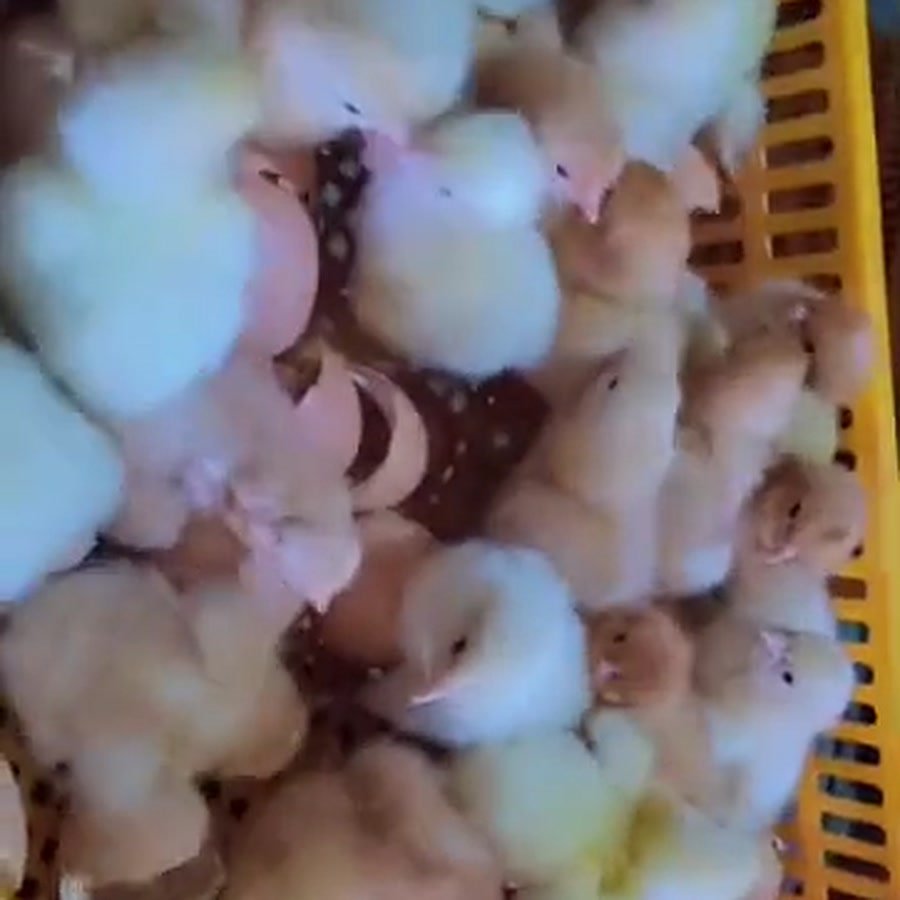
Deaths in the first three days: chilling, dehydration, weak chicks
Very early deaths are almost always environmental or a hatchery issue, not disease. Chilling from cold litter or a draught, dehydration from empty or hard-to-find drinkers, or chicks that were weak, poorly hatched or badly transported to begin with. Check that the brooder held its heat overnight, that every chick learned to drink, and that the birds did not sit for hours on a cold tricycle before reaching you. Buying strong stock and handling transport well prevents most of this, which is why choosing healthy day-old chicks and transporting them properly matter so much.
Cold kills quietly overnight
Chilled chicks do not always look dramatic. They pile, go quiet, and you find them dead under the pile at dawn. If deaths cluster in the mornings during harmattan, suspect night chilling or a draught before you suspect disease. Fix the heat and seal the gaps the same day.
Week one to two: brooding faults and Gumboro
Once past the first few days, most losses trace back to the brooding environment: temperature swings, damp litter, dirty water, overcrowding, or a starter feed that is poor quality. Work systematically through the common brooding mistakes and fix each one. If deaths spike sharply around two to three weeks with birds looking depressed, huddled and passing whitish or watery droppings, consider Gumboro (infectious bursal disease), which hits the immune system and often opens the door to secondary infections.
Week two to four: coccidiosis and its bloody signature
If you see blood or dark, chocolate-coloured droppings, birds fluffed up and reluctant to move, and deaths climbing in the two-to-four-week window, coccidiosis is the prime suspect. It thrives in warm, damp litter, which is exactly what Ghanaian pens produce when management slips. It is treatable if you catch it early with the right coccidiostat in the water and by drying out the litter at once. Our guide to coccidiosis in poultry covers dosing and prevention in detail.
| Sign you see | Likely cause | First action |
|---|---|---|
| Morning piles, quiet birds, cold to touch | Chilling / draught | Raise heat, seal draughts, pre-heat overnight |
| Sunken, sleepy chicks in first 48 hrs | Dehydration | Clean water with glucose or vitamins, dip beaks |
| Bloody or chocolate droppings, week 2–4 | Coccidiosis | Coccidiostat, dry the litter immediately |
| Whitish droppings, huddling, week 2–3 | Gumboro | Supportive care, vet advice, tighten biosecurity |
| Sudden heavy deaths, twisted necks, green droppings | Newcastle | Isolate, call a vet, review vaccination at once |
| Gasping, swollen faces, scabs on comb | Fowl pox / respiratory disease | Vet diagnosis, isolate affected birds |
Sudden, heavy deaths at any age: think Newcastle
When healthy-looking birds start dropping fast, with numbers climbing sharply day on day, and you see twisted necks, paralysis, greenish diarrhoea or gasping, Newcastle disease has to be top of your list. It moves through an unvaccinated flock like fire and there is no cure once birds are sick, only prevention through vaccination and hard biosecurity. If this is your picture, isolate immediately, restrict all movement on and off the farm, and get veterinary confirmation. Read Newcastle disease in Ghana and hold firmly to your vaccination schedule for future batches.

Bad feed and dirty water: the overlooked causes
Not every death is a germ. Mouldy or aflatoxin-contaminated feed, especially maize stored damp through the rains, poisons birds slowly and stunts the survivors. Feed that has sat open and gone rancid does the same. And dirty water carries half the pathogens on the farm straight into the flock. Buy feed you trust, store it dry and off the floor, and wash drinkers daily. When you are unsure whether it is feed or infection, the cheapest first move is often to switch to fresh feed and clean water and watch for 48 hours.

What to do in the next hour
Stop guessing and start narrowing. Isolate any sick or dull birds away from the flock. Check and fix the obvious first: heat, drinkers, litter dampness, feed quality. Keep two fresh carcasses cool for a vet. Match your pattern against the table above and treat the most likely cause, not everything at once. And write it all down, because a simple record of ages, daily deaths and signs is what lets a vet, or us, help you properly. Good early reading of a sick chicken is the skill that turns a disaster into a scare.
Frequently asked questions
My chicks are dying but they look fine, what could it be?
Is it normal to lose some chicks in the first week?
Should I give antibiotics when chicks start dying?
How do I know if it is coccidiosis?
Losing birds? Talk to us today
If your batch is dying and you cannot see why, do not wait it out alone. Agro Prime Ghana in Kasoa supplies healthy day-old chicks nationwide and helps farmers troubleshoot losses. Send us photos and your death count on WhatsApp +233 24 915 1503, email support@halaalfarmsghana.com, or book a farm visit so we can help you turn the batch around.