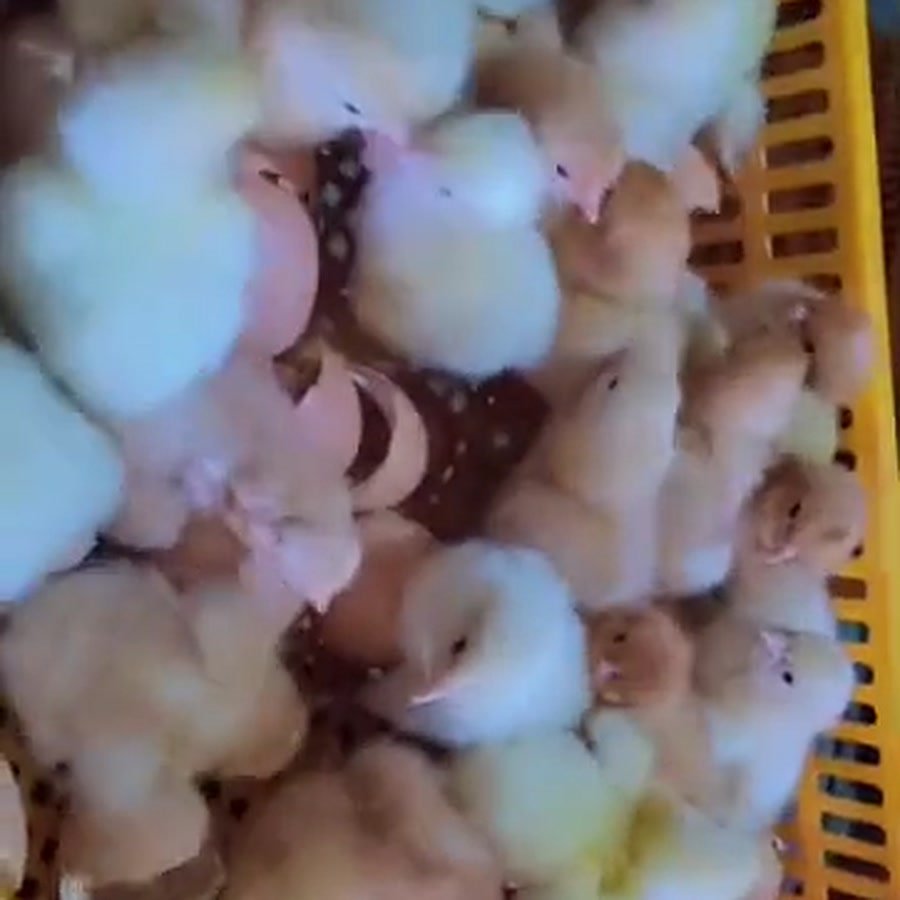
The single most common question we get at our Kasoa hatchery is simple: "How much is a day-old chick?" The honest answer is that it depends on the breed, whether the chicks are locally hatched or imported, how many you buy, and the time of year. This guide gives you realistic 2026 price ranges for Ghana, explains what moves the price up or down, and shows you how to buy chicks that actually survive to point of sale.
Quick answer
In 2026, locally-hatched day-old chicks in Ghana generally range from about GH₵7 to GH₵14 per bird for common broilers, layers and cockerels, while imported and premium layer strains sell higher — often GH₵20–GH₵26 per bird. Always confirm the live price before you order, because feed and exchange rates move these numbers.
Day-old chick price ranges in Ghana (2026)
The table below is a market-guide snapshot to help you budget. Sellers quote either per bird or per crate/box of 50 or 100. We've converted everything to a per-bird range so you can compare fairly.
| Type of chick | Typical per-bird price (GH₵) | Notes |
|---|---|---|
| Broiler (Cobb 500 / Ross 308, local hatch) | 10 – 16 | Fast-growing meat birds; most popular |
| Imported broiler chicks | 18 – 24 | Premium genetics, higher uniformity |
| Layer (Lohmann / ISA / Bovan / Hy-Line) | 18 – 26 | Sold to lay eggs for ~72–80 weeks |
| Cockerel (white / local improved) | 6 – 11 | Hardy, good for meat on a budget |
| Noiler / Kuroiler (dual-purpose) | 9 – 14 | Meat + eggs, tolerant of local conditions |
| Sasso / coloured free-range | 12 – 18 | Premium "local-taste" meat market |
| Guinea fowl keets | 14 – 20 | Seasonal, strong northern demand |
These are orientation ranges for planning, not a live quote. Prices shift with feed cost, the cedi, and demand around festive seasons. Book a visit or message us for today's exact price.
What makes one chick cost more than another?
Two chicks can look identical and sell at very different prices. Here's what you're actually paying for:
- Breed and genetics. A high-performance imported layer that lays 300+ eggs a year costs more up front than a cockerel, but returns far more over its life. You are buying future performance, not just a chick.
- Local hatch vs import. Imported chicks carry shipping, customs and cold-chain costs, so they price higher. Locally-hatched chicks from a modern incubator — like ours in Kasoa — are fresher (less travel stress) and usually cheaper.
- Vaccination status. Chicks vaccinated at the hatchery (for Marek's, and often Newcastle and Gumboro) cost slightly more but save you money and heartbreak later. Never buy "cheap" unvaccinated chicks to save a few pesewas.
- Order quantity. Buying 500 or 1,000 birds almost always earns a lower per-bird price than buying 50. If you can brood in batches, plan ahead.
- Season. Prices and availability tighten before Christmas, Easter and Ramadan when everyone wants birds ready for the festive market. Order early.
Broiler vs layer vs cockerel: which is cheapest to start?
Cheapest to buy is not the same as cheapest to farm. Cockerels and Noilers have the lowest chick price and are forgiving for first-timers. Broilers cost more per chick but reach market weight in 6–8 weeks, so your money turns over quickly. Layers are the most expensive chicks but they earn daily egg income for well over a year. We break this down fully in our guide to choosing the right bird for your farm.
Watch out for "too cheap" chicks
If a price looks far below everyone else's, ask why. Common red flags: chicks from unhygienic backyard incubators, birds already a few days old being sold as "day-old", no vaccination, and no traceable breed. Weak chicks cost you more in mortality and slow growth than you ever saved at purchase.
The real cost is feed, not the chick
Here's the truth many beginners miss: the chick is a small part of your total cost. Feed is 60–70% of the cost of raising a bird. A broiler eats roughly 4–4.5 kg of feed over its life; with feed at 2026 prices, that feed bill dwarfs the chick price. So don't choose a supplier on chick price alone — choose on chick quality, because a healthy chick converts feed efficiently and a weak one wastes it. We cover this in detail in our poultry feed price guide.
How to buy day-old chicks safely in Ghana
- Buy from a known hatchery, not a roadside reseller. You want traceability: which breed, hatched when, vaccinated with what.
- Order in advance. Good chicks sell out, especially before festive seasons. Reserve your hatch date.
- Inspect on arrival. Healthy day-old chicks are alert, dry, fluffy, standing firmly, with clean navels and bright eyes. Reject chicks that are weak, panting, or have unhealed navels.
- Prepare the brooder before they arrive. Warmth, clean water with glucose/electrolytes, and starter feed should be ready before you collect the chicks. See our brooding guide.
- Confirm vaccination. Ask exactly what the chicks were vaccinated for at the hatchery, so you can plan the rest of the vaccination schedule.
Frequently asked questions
How much are broiler day-old chicks in Ghana right now?
Are imported chicks better than local ones?
What is the minimum number of chicks I can buy?
Do your chicks come vaccinated?
Ready to order?
Agro Prime hatches broilers, layers, cockerels, Noilers and imported chicks in Kasoa and delivers nationwide. Book a hatchery visit to see chick quality yourself, or message us on WhatsApp for today's price and next hatch date.