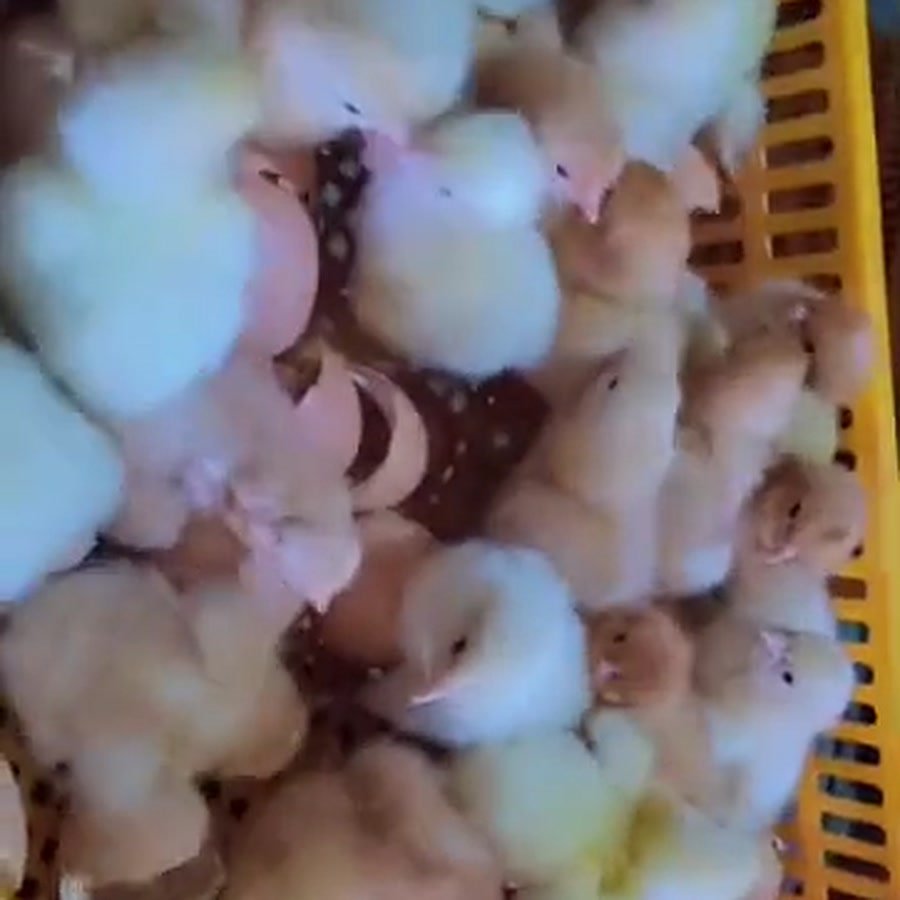
A transfer takes thirty seconds on mobile money. The person on the other end can sound certain, know the names of your relatives and send a photograph of a shed full of birds before you have finished asking questions. That is exactly why the checks have to happen before the first cedi leaves your account. Once the money is gone, a good photograph is only a photograph.
Due diligence does not need to be complicated. It needs to happen in the right order, and it needs to produce paper, names and places you can check. The sequence below is the one we would want a serious investor to run on us, and the one we would run on any business before we put money into it.
Start with your own limits
Before you speak to any business, decide how much you are willing to lose completely. Not how much you hope to make. The amount you can lose without damage to your rent, school fees, medicine or family support is your ceiling. Write it down, because the pitch will push that number upward if you let it.
Then decide what the money is for. A single batch is easier to judge than a vague "portfolio". If the business cannot describe your money in one sentence, such as "500 birds, placed on this date, sold in about eight weeks", you should not be sending it yet.
If you are investing from abroad, add one more limit to the list: how much you could realistically recover through your bank or transfer provider if the money goes astray. For most people that figure is smaller than they assume, and it should shape how much leaves the country in a single transfer.
Confirm the business exists where it says it does
Ask for the registered name, the registration number and a tax identification number. Compare them with the documents the business shows you and with the name on its bank account. A mismatch is not always fraud, but it is always a question you must have answered before you pay. A business that is in no hurry to give you its numbers is telling you something.
Next, confirm the physical address. A farm in Kasoa should be somewhere you can drive to, and the staff should be able to show you the house, the store and the people who do the daily work. If the only contact is a mobile number and a profile picture, you are investing in a conversation.
If the business is offering investments to the public, check its licence status with the SEC as well. The SEC's public notices make clear that unlicensed public offers are a serious matter in Ghana, and a short call can settle the question.
Each sector adds its own layer of checks. A poultry business handles live animals, feed and medicines, so it should be able to tell you which veterinary and feed-quality requirements apply to its operation, and show you that it meets them. You do not need to be an expert to ask. A business that knows its own obligations will name them without fuss. One that treats the question as an insult has told you how it will treat your money when something goes wrong.
Trace the money before it moves
Ask exactly where your transfer will go. The correct answer names one company account in the company's name, with a bank or mobile-money route that matches the registration papers. If you are told to send money to a personal number, or to a number that changes depending on who is calling, stop. Ask for the account name in writing and check it against the company's own documents.
It also matters who signs. Ask who is authorised to commit the company's money, and check that person's role against the registration papers. If the person who approves the money is not the person you are speaking to, you need to know that before you pay. A partner who is proud of its structure will answer this question without hesitation.
Walk the farm, then read the records
A site visit tells you what a document cannot. Watch how the birds behave, how the house is kept, and whether the feed store is dry and organised. Ask to see the day-old chicks, the vaccine store and the brooding set-up. Our own incubators are at the Kasoa hatchery, and visitors are welcome Monday to Saturday from 7am to 6pm, because we would rather be checked than trusted blindly. You can also read more about how our hatchery operates before you arrive.

A forty-minute visit can cover a great deal if you go in with a plan. Arrive at the store first and look at the stock: bags stacked off the floor, dates visible, vaccines kept cold. Then walk to the house. Look at the litter, the drinkers, the heat source and the spacing of the birds. Ask the person doing the daily work what they check each morning and what they write down. Finish at the office, where you can compare what you saw with the weekly report sitting on the desk. The gaps between those three places are the most useful information you will collect that day.
Then ask for the records that prove the work. A weekly report should match what you see on the day. Feed receipts should match the number of bags used. Mortality counts should line up with the weights and with the carcass records. A business that cannot produce these, or produces them only as a single neat summary, has not shown you a process.
Mortality is cumulative, and a good report shows the arithmetic. Suppose the house was placed with 1,000 birds and the report says 40 birds died in the first weeks. If the next report says 25 more died, the total is 65, which is 6.5% of the flock placed. A report that shows only the weekly deaths, with no running total and no link back to the placement number, makes it hard to see when a batch is drifting. Ask for the running figure, then check it yourself on the next report.
Read the table before you read the pitch
The table below is the checklist in one place. Work through it in order and keep a note of each answer. A good answer is specific and checkable. A weak answer is vague, emotional or deferred to later.
| Check | What to ask for | A good answer looks like |
|---|---|---|
| Registration | Company registration number and tax identification number | Numbers match the documents and the bank account name |
| Physical presence | Farm and office addresses you can visit | You can visit, and staff know the site without a script |
| Money route | Bank or mobile-money details for transfers | One company account, never a personal number |
| Written terms | Agreement draft before placement | Covers reports, losses, capital return and profit split |
| Batch records | Feed receipts, vaccine record, weights, deaths | Records that match the weekly report and the photographs |
| Track record | Hatch rate and past batch outcomes | Specific figures, including the weak batches. Our average hatch rate is 98%, and we will show the working |
| Contact | A named person and a number that answers | Questions answered in writing, with a date |
Bring the list with you
Save the table to your phone before you call. If you would rather see the operation first, book a visit and bring the questions. The written partner terms are on the partner page, so you can read them before the first meeting rather than after it.
Test the numbers against the batch
Every business pitch needs a sum behind it, and for a broiler batch the arithmetic is public enough to check yourself. A day-old chick costs around GH₵20. Feed runs about 4.2 kg per bird to market, which costs roughly GH₵34 to GH₵40 per bird depending on the brand and the prices that week. Brooding heat, litter, vaccines, labour and utilities add about GH₵12 per bird. That puts a 1,000-bird batch somewhere around GH₵65,000 to GH₵80,000 from chick to market.
If a business promises a result that the sale price cannot cover, the numbers are wrong, whatever the enthusiasm. A serious pitch should answer three questions in plain cedis: what a bird costs, what a bird sells for in a quiet month, and what happens to all of it if mortality reaches 10%. If it can answer only the first, you are being sold a feeling. Our poultry business plan guide shows how those three lines fit together in a written plan.
A useful habit is to write each answer down with the date. Notes from the first call become the baseline you compare against in month three. Most people remember a pitch more warmly than it was, and a dated note stops that drift. At the end of every conversation, write down which promise was made, which question was dodged and what you still need before the next transfer.
Check the people, not only the paper
Paper can be arranged. People show their habits. Ask who you will speak to after you pay, and how quickly they answer. Ask a question you already know the answer to and see whether the reply matches. Ask what the business did the last time a batch went badly, and whether the answer names the problem or changes the subject.
Pay attention to how the business handles a no. A good partner will accept a delay, a smaller amount or a decision to walk away without pressure. If every objection is met with a deadline, a discount for today only or a warning that the place is about to fill, the sales process is doing the work that the business should be doing.
Slow answers are information too. A business that replies within a day when you are paying and within a week when you are asking questions has a clear order of priorities. Put your questions in writing, keep the dates, and give a reasonable deadline. If the answer does not arrive, the absence is part of the due diligence, and it belongs in your notes next to the other things you were told.
After you pay: keep the paper trail
Due diligence does not end at the transfer. Keep every receipt and every agreement. Log each weekly report against what you were told at the start. Note the date a report arrived and whether it matched the previous one. If reports stop, or start arriving with fewer details, ask why in writing and keep the answer on file.
Never send money to a personal number
A personal MoMo number makes it hard to prove where your money went and impossible to hold a company to its promises. Ask for the business account name, check it against the registration documents, and refuse any transfer that cannot be traced to the company itself.
Ask who owns and controls the business, not only who speaks for it. Get the names of the directors or the owners as they appear on the registration documents, and check that the person you are dealing with holds a role that matches. A business run by a family member on behalf of an absent founder is not a problem in itself, but you should know the arrangement before you commit. If the people who control the money cannot be named, they cannot be held to account.
Keep the list for the next offer
The checklist works for a farm, a trading company, a property developer or a shop. The same questions apply to all of them: who owns it, where the money goes, what the records say and what happens when things go wrong. Once you have run it once, the next offer will be quicker to judge and harder to rush.
If you want to put the list to the test with a real batch, the batch terms and calculator are on the partner page, and the farm will answer your questions in writing and in person.
Put the checklist to the batch terms
Related reading: how broiler contract farming works in Ghana.


