New Batch partnerships now open — finance a 1,000-bird broiler batch with our Kasoa hatchery. Run the numbers →
White broiler chickens in a well-managed poultry house
Kasoa · Central Region · Partnerships open
Partner With Agro Prime

Own a Share of the Next 1,000-Bird Batch.

You finance the batch. We hatch the chicks, supply the feed, vaccinate, house and manage the birds every day in Kasoa — and when they sell at 6–7 weeks, the profit is shared with you. Agreed in writing, before a single chick is placed.

Written profit-share agreement
A real, visitable farm in Kasoa
Weekly photo & weight reports
Day-old chicks under brooder heat at Agro Prime
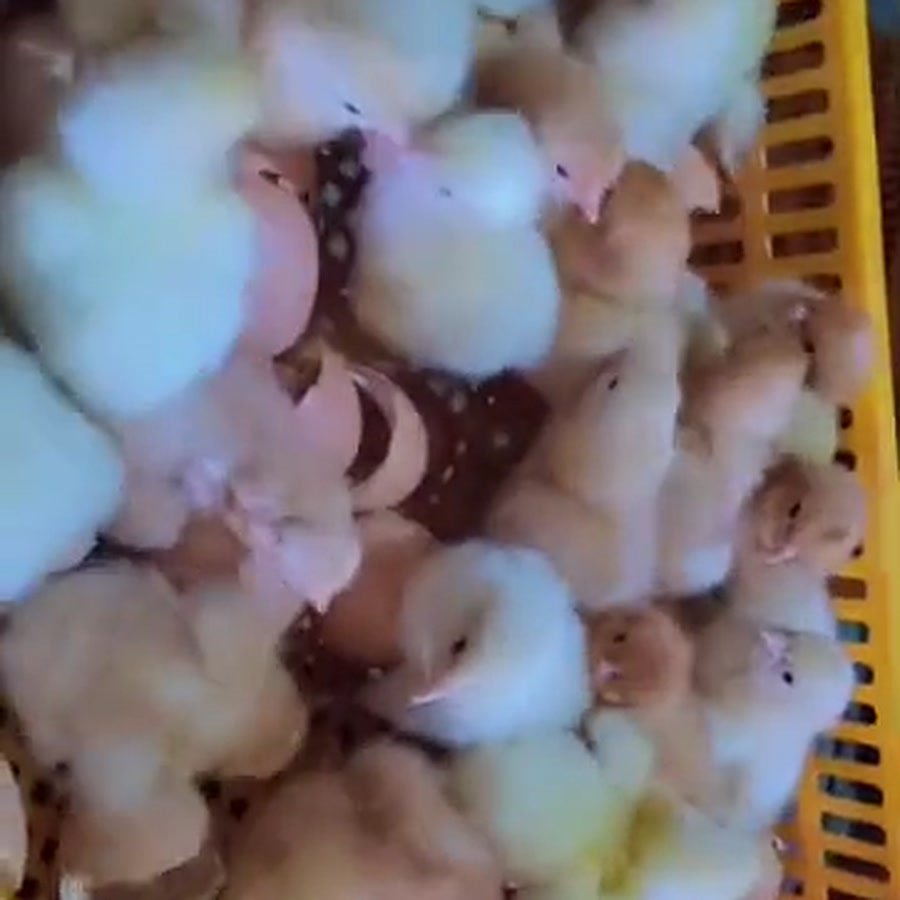
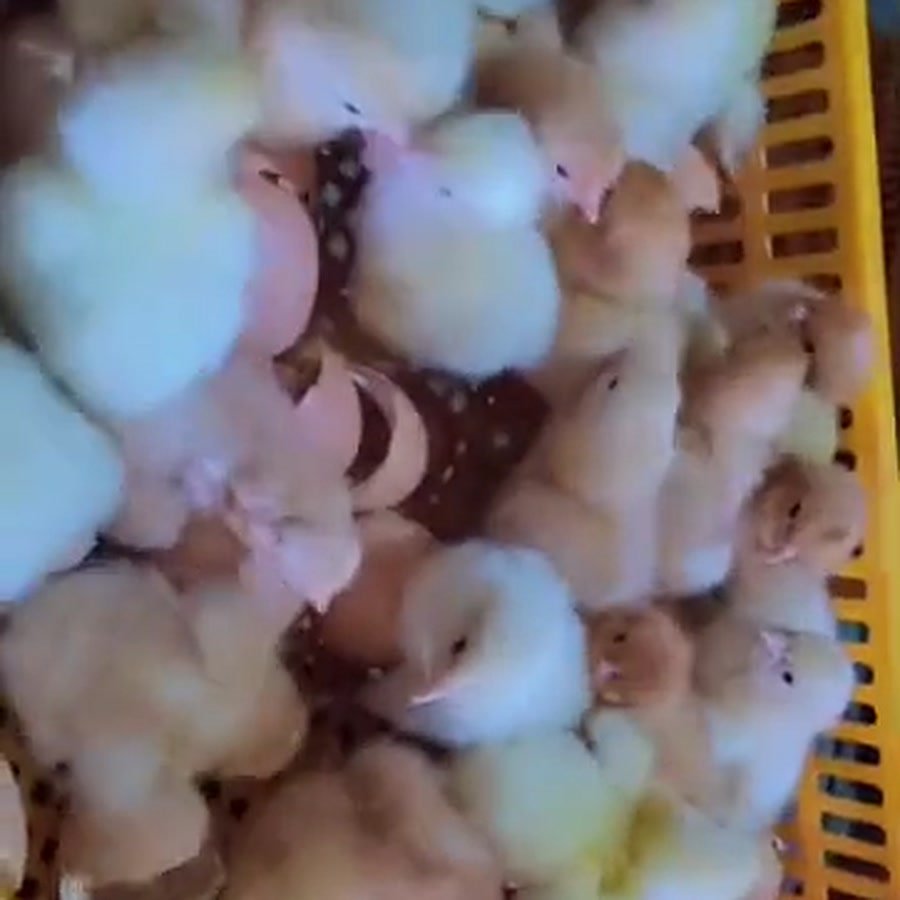
Vaccinated day-old chicks in a crate ready for placement
Incubators inside the Agro Prime hatchery in Kasoa
6–7 wksChick to market
1,000Birds per starter batch
Scroll
Batch partnershipsHatchery expansionSupply agreementsWritten agreementsWeekly reportsVisit before you commitCobb 500 & Ross 308Vaccinated at day 0Kasoa · Ghana Batch partnershipsHatchery expansionSupply agreementsWritten agreementsWeekly reportsVisit before you commitCobb 500 & Ross 308Vaccinated at day 0Kasoa · Ghana
0Birds per starter batch
0 wksChick to market weight
0%Average hatch rate
0Regions we deliver to
Three Ways to Partner

Pick the Partnership That Fits Your Capital.

Every model is backed by a working hatchery and real birds in real houses. None of them pays a fixed monthly percentage — your return comes from what the batch actually earns.

Broiler flock in a poultry house
Most popular From 1,000 birds

Batch Partner

Finance one broiler batch from chick to market. We supply chicks, feed, vaccines, housing and daily management; you receive your share of the net profit when the birds are sold.

  • Capital returned + profit share per batch
  • Weekly photos, weights and feed records
  • Roll into the next batch or cash out
Run the 1,000-bird numbers
Incubators at the Agro Prime hatchery
Larger tickets Co-finance equipment

Hatchery Expansion Partner

Help us add incubator capacity, brooding houses or parent stock, and share in the hatchery's output over an agreed term. A full business plan is shared before any discussion of terms.

  • Longer-term, asset-backed partnership
  • Business plan and farm walk-through first
  • Terms drafted with your lawyer and ours
Request the business plan
Day-old chicks packed for delivery
For buyers Weekly allocation

Supply Partner

Farms, feed shops and agrovets that need a guaranteed weekly allocation of day-old chicks or table eggs can secure it with a deposit and a standing agreement.

  • Reserved share of every Thursday hatch
  • Agreed pricing formula, reviewed quarterly
  • Priority delivery to your region
Discuss a supply agreement
Batch Profit Calculator

See What a 1,000-Bird Batch Really Costs and Earns.

Every slider starts at mid-2026 orientation prices from our own farm records and published Ghana feed prices. Move them to test your own assumptions — the honest range is the point.

Your assumptions

Start with a scenario, then fine-tune any figure.

Starter batches begin at 500; we recommend 1,000 for your first cycle.
Cobb 500 / Ross 308 from our hatchery
Day 1 to market, ~2.3 kg live weight
GAPFA GH₵380–410 · De Heus GH₵451–472
Brooding, litter, vaccines, labour, utilities
Well-managed quality chicks: ~3–5%. Stress case: 10–15%.
Quiet months ~GH₵75–80 · Christmas & festive peaks GH₵100+
Illustrative. The split is agreed in writing per batch.
Edit to today's rate for the US$ view
Planning tool, not a promise. Figures are mid-2026 orientation values that move with feed prices, season, disease pressure and the cedi. Your actual return is whatever the batch actually earns, shared as agreed.

One batch, 1,000 birds

About 8 weeks from placement to the next batch (6–7 weeks growing, then clean-out). A house can run 5–6 batches a year if you roll your capital over.

Capital needed for the batchGH₵ 0≈ US$ 0
Expected net profitGH₵ 00% on capital, per batch
Your shareGH₵ 0≈ US$ 0
  • Birds sold (after mortality)0
  • Feed needed0 bags
  • Total cost per bird placedGH₵ 0
  • Break-even sale priceGH₵ 0 / bird
  • Revenue at saleGH₵ 0
  • Agro Prime's shareGH₵ 0
ChicksFeedBrooding, health, labour & misc
Where the Money Goes

Feed Is More Than Half of Every Batch.

That is why a partnership with a hatchery that also mills and buys feed in bulk matters: the biggest line on the budget is the one we control best.

Feed~4.2 kg per bird, starter → finisher, bought in bulk
53%
Day-old chicksCobb 500 / Ross 308, vaccinated at day 0 in our hatchery
29%
LabourDaily feeding, water, litter and bird checks
6%
Brooding & litterHeat, wood shavings, disinfectant for the first weeks
5%
Vaccines & healthGumboro, Newcastle boosters, vitamins, coccidiosis control
3%
Water, power & transportUtilities and moving birds to market
4%
~GH₵68cost per bird placed
Chick to Market

Seven Weeks. Here Is What Happens to Your Birds.

Target weights are our realistic Ghana figures for Cobb 500, not the breeder's laboratory curve. You get the real numbers every week.

0
Thursday

Placement

Chicks hatched at 7:00, vaccinated, sorted and placed in a pre-heated house the same morning.

40–44 g
1
Week 1

Brooding

33–35°C at bird level, starter crumble, glucose water, Gumboro vaccine. The week that decides mortality.

160–185 g
2–3
Weeks 2–3

Growth

Heat stepped down weekly, coccidiosis watch, Newcastle booster, feeders raised as birds grow.

~1.0 kg
4–5
Weeks 4–5

Finisher

Switch to finisher feed, heat off, ventilation up. Weekly weighing reported with photos.

~1.8 kg
6–7
Weeks 6–7

Market weight

Birds sold live to traders, chop bars and bulk buyers — or dressed for hotels and supermarkets.

2.3–2.55 kg
8
Week 8

Payout & reset

Accounts shared, your capital and profit share paid, house cleaned and rested for the next batch.

Your share
Farm team in the field at Agro Prime Ghana
Kasoa, Central RegionCome and see the houses your birds will grow in before you commit.
ThuEvery batch starts on a Thursday hatch, 7:00
How It Works

From First Message to First Payout.

Simple, transparent and in writing. Most partners go from enquiry to a placed batch within two to three weeks.

1

Enquire & get the batch plan

Message us on WhatsApp or use the form below. We send the current batch plan with live chick and feed prices.

2

Visit Kasoa (or video call from abroad)

Walk the hatchery and broiler houses, meet the team, ask hard questions. Diaspora partners get a live video walk-through.

3

Sign the profit-share agreement

Batch size, costs, the profit split, reporting and what happens if things go wrong — all written down and signed by both sides.

4

Batch placed, weekly reports

Your birds go in on the next Thursday hatch. Every week you get photos, average weights, feed used and mortality.

5

Sale, accounts and payout

Birds sold at 6–7 weeks, full accounts shared, your capital and share paid by bank transfer or Mobile Money. Roll into the next batch if you like.

Why Poultry, Why Ghana, Why Now

Ghana Imports Most of the Chicken It Eats.

Every bird raised in Kasoa replaces an imported one. Demand is not the problem in this business — well-managed supply is. That is the gap a hatchery-backed batch fills.

~400,000 tNational broiler demand per yearMinistry of Food & Agriculture figure
~58,000 tProduced locallyMoFA — local broiler output
180,000+ tImported frozen chicken per yearOver 80% of Ghana's meat imports
6–7 wksFrom chick to cashOne of the fastest farm cycles there is

Local supply vs demand

Figures as cited in our contract farming guide (MoFA / USDA FAS). Festive seasons — Christmas, Easter, Eid — push live-bird prices higher still; we time partner batches to land in those windows.

The Partner Package

Exactly What You Put In — and What You Get.

No hidden extras. The batch budget in the calculator is the whole batch budget.

You provide

One thing, agreed in writing before the hatch.

  • The batch capitalAbout GH₵65,000–80,000 for 1,000 birds at today's prices — paid to the Agro Prime Ghana Limited company account only, never to a personal number.
  • A signed profit-share agreementReviewed by your lawyer if you wish. We sign the same document.
  • A copy of your IDGhana Card, passport or national ID — for the agreement and the payout account.
  • About 8 weeks of patienceCapital is tied up for one full cycle. Nothing is paid out mid-batch.

Agro Prime provides

Everything between the chick and the sale.

  • 1,000 vaccinated day-old chicksCobb 500 / Ross 308 from our own Thursday hatch, Marek at day 0, Newcastle and Gumboro per schedule.
  • All feed, starter to finisherBought in bulk at mill prices and logged bag by bag.
  • Housing, brooding, litter & biosecurityPre-heated house, all-in/all-out, visitor control, footbaths.
  • Vaccines, vitamins & daily health checksWritten vaccination schedule, coccidiosis control, vet on call.
  • Weekly reports with photos & weightsEvery Thursday on WhatsApp and email — mortality, feed used, average weight.
  • Selling the birds & open accountsTraders, chop bars, hotels and our own store. Sales receipts shared with you.
  • Your capital + your share, paid outBank transfer or Mobile Money within days of the last sale.
The Agreement at a Glance

The Terms, Before You Ask.

These are the standard terms we start from. Everything is confirmed in the signed agreement for your batch.

Minimum batch500 birds (1,000 recommended)Larger batches of 2,000–5,000 by arrangement; housing is allocated per Thursday hatch.
Capital requiredThe full batch budget as shown in the calculator at placement-day pricesYou pay once, before the hatch. No top-ups mid-batch unless you agree to them in writing.
TermOne batch ≈ 8 weeks from placement to payoutRoll into the next Thursday hatch or withdraw — your choice each cycle.
Profit splitAgreed per batch, illustrated at 50 / 50 of net profitNet profit = sales minus the full batch cost. Your capital is returned first, then the profit is split.
If the batch loses moneyDefined in the agreementLosses from a market or disease event are shared on the same split; losses caused by a proven management failure on our side are carried by Agro Prime.
ReportingWeekly — photos, average weight, feed used, mortalityPlus the placement note, the sales receipts and a final batch statement.
PayoutBank transfer or Mobile MoneyWithin days of the last bird being sold; international transfers for partners abroad.
Early exitNot during a batchBirds cannot be sold early without destroying the margin. You are free to stop after any batch.
LegalWritten agreement under Ghanaian law, signed by Agro Prime Ghana LimitedTake independent legal advice. We will happily talk to your lawyer.
Who you are dealing withAgro Prime Ghana Limited, Kasoa, Central RegionPayments only to the company account. Anyone asking for money to a personal number is not us.
Our own incubators · Kasoa
Who You Are Partnering With

A Working Hatchery, Not a Pitch Deck.

Agro Prime Ghana Limited hatches day-old chicks every Thursday in Kasoa, runs a farm store, grows maize for feed and delivers to all 16 regions. The birds in your batch come from our own incubators.

Hatch dayEvery Thursday, 7:00
LocationKasoa, Central Region
BreedsCobb 500 · Ross 308 · Arbor Acres
Hatch rate98% average
Also on siteFarm store · feed · vaccines
Open for visitsMon – Sat, 7am – 6pm
Partners in the Diaspora

Invest in Home From Wherever You Are.

You do not need to be in Ghana to run a batch with us. Whether you are in Europe, the UK or North America, you need a phone, a bank account and about eight weeks of patience.

📹

Live video walk-through

We walk you through the hatchery and the house your birds will grow in, on WhatsApp video, at a time that suits your time zone.

🏦

International transfer to the company account

Capital goes to Agro Prime Ghana Limited's bank account. Your payout comes back the same way, or to a Ghanaian account you name.

👥

Send someone you trust

A relative or friend in Ghana can visit the farm, sign alongside you or collect the payout on your behalf.

🇬🇭 Ghana🇬🇧 United Kingdom🇩🇪 Germany🇺🇸 USA🇨🇦 Canada🇮🇹 Italy🇳🇱 Netherlands🌍 Anywhere
Weekly batch reportExample format
Week3 of 7Day 21
Avg. weight1.02 kgon target
Birds alive9782.2% mortality
Feed used38 bagsof ~84 budgeted
VaccinesDoneGumboro · Newcastle
Next stepFinisherswitch on day 25
This is the format every partner receives on Thursdays — four photos of your birds, the numbers above, and a short note from the farm manager. The figures shown here are an illustration of a healthy week 3, not a live batch.
Ready to Say Yes?

Here Is Exactly What Happens Next.

From your first message to birds in the house takes about two to three weeks. Here is the checklist, and how to keep yourself safe while doing it.

Your 6-step checklist

  1. Message us on WhatsApp or send the form belowSay "batch partner" and the number of birds you have in mind.
  2. Receive the batch plan with live pricesChick price, feed price, the budget and the next available Thursday hatch — usually within 24 hours.
  3. Visit Kasoa or take the video walk-throughAsk every question you have. Bring a friend who farms if you like.
  4. Review and sign the agreementSent as a PDF. Have your lawyer read it. We sign the same copy.
  5. Transfer the capital to the company accountYou receive an official receipt and the placement date in writing.
  6. Birds placed — your first report arrives the following ThursdayThen weekly until payout. That is the whole process.

How to protect yourself

  1. Only pay Agro Prime Ghana Limited's company bank accountNever a personal Mobile Money number, never a "representative".
  2. Insist on the signed agreement before any money movesIf anyone rushes you, stop.
  3. See the farm — in person or live on videoIf a farm will not show you its houses, it has no houses.
  4. Treat any promise of a fixed monthly percentage as a red flagIncluding from us. We do not make one, and you should not accept one.
  5. Only commit money you can leave for a full cycleEight weeks, no early exit.
  6. Keep every report and receiptYou will have a complete paper trail of your batch.
Honest About Risk

What Can Go Wrong — and How We Manage It.

Poultry is a real business with real risks. Partners who understand them make better decisions, so here they are in plain words.

Feed prices rise mid-batch

Feed is over half the cost, so a 15% feed rise can take a third off the profit. We manage it by buying feed for the whole batch at placement where possible and buying in bulk from the mill.

Disease and mortality

Newcastle, Gumboro and coccidiosis are the usual threats; 20% mortality wipes out a cycle. We manage it with day-0 hatchery vaccination, a written vaccination schedule, strict biosecurity and all-in/all-out housing.

Market price dips

Live bird prices soften in quiet months and rise before Christmas, Easter and Eid. We manage it by timing batches to festive demand and selling through several channels — traders, chop bars, hotels and our own store.

Trust and reporting

Partners abroad cannot drop in every week. We manage it with weekly photo and weight reports, feed and mortality logs, and full accounts at sale — plus the open invitation to visit or video-call any time.

Read this before you partner. A batch partnership is a share in a farming operation, not a bank deposit or a fixed-return product. We do not promise a monthly percentage, because no honest poultry farm can. Your capital is at risk, your return depends on the batch's real costs and sales, and the figures on this page are planning estimates. Take independent legal advice before signing, and only commit money you can afford to tie up for a full cycle.
Partner FAQ

Questions Partners Ask Us.

Anything missing? Message us on WhatsApp and a member of the farm team will reply.

Is this a fixed-return investment?

No. A batch partnership is a profit-share: your return depends on what the batch actually costs and sells for. We publish realistic ranges and we never promise a fixed monthly percentage.

How much does a 1,000-bird broiler batch need?

At mid-2026 orientation prices, roughly GH₵65,000–80,000 from chick to market, with feed making up more than half. Use the calculator above to see the breakdown and change any figure to your own assumptions.

How long is one batch, and when do I get paid?

Broilers reach market weight in 6–7 weeks. Allow about 8 weeks from placement to payout, including selling the last birds and sharing the accounts. Payment is by bank transfer or Mobile Money.

Can I partner from abroad?

Yes. Partners in the UK, US, Germany and across the diaspora get a live video walk-through instead of a visit, the same weekly reports, and payouts by bank transfer. Someone you trust in Ghana is always welcome to visit on your behalf.

What if the batch makes a loss?

The agreement spells out exactly how a loss is shared and what counts as a management failure on our side versus a market event. We would rather lose a partner than hide a bad batch — that is why the reports are weekly and the accounts are open.

Can I visit the farm before partnering?

Yes, and we encourage it. Book a visit to the hatchery in Kasoa, see the incubators and the broiler houses, and go through the batch plan with us in person.

Can I start with fewer than 1,000 birds?

Starter batches begin at 500 birds. We recommend 1,000 for a first cycle because fixed costs per bird fall and the batch fills a house efficiently.

Ready to Grow a Flock With Us?

Request the current batch plan, book a visit, or send your questions. A real person from the farm replies — not a bot.

Request the Batch Plan Send an Enquiry
Talk to the Farm

Tell Us What You Have in Mind.

Whether you have GH₵30,000 or want to co-finance a new incubator hall, start with a conversation.

Partnership enquiry

Fill this in and it opens in WhatsApp with your message ready to send — we also get a copy by email.

Sent to WhatsApp +49 151 68495881 and support@agroprimeghana.com · We reply within 24 hours

Chat with the farm
CalculatorRequest Batch Plan