
Most people who ask us about a batch want to be ready for Christmas. The instinct is sound, because the festive market is where the best prices show up. It is also where a lot of diaspora plans go wrong. The placement date gets chosen by the calendar, and the rest of the plan is left to catch up with it.
This guide is for investors in the UK, the US, Germany and elsewhere in Europe and North America who want a real poultry batch in Ghana and have to run it from a distance. Distance is not the main risk. The main risk is a plan that only works if everything goes right at the same time, and that is difficult to correct from abroad once the chicks are in the house.
Work the calendar backwards from the market
Start from the day you want to sell, then count back. Market-ready birds are typically six to seven weeks old and weigh around 2.3 to 2.55 kg live. A batch sold in the week before Christmas therefore has to be placed in late October or the first week of November, with the house clean and ready for it. Clean-out is part of the cycle too. From placement to payout is roughly eight weeks, so a batch meant to be paid before the festive week needs its dates fixed early.
Chicks hatch every Thursday from 7am at our Kasoa hatchery, which gives you a weekly set of placement dates rather than one fixed day. Choose the week first, then confirm the exact date with the farm in writing. A date agreed on a phone call three weeks earlier is not a date.
Festive demand is real. Quiet months see a live bird sell for roughly GH₵75 to GH₵80, while Christmas, Easter and Eid peaks push the price past GH₵100. That gap is the reason people plan around the calendar, and it is also the reason a late placement hurts. One slipped week can move your sale into the quieter market, when the margin is much thinner. Our look at the festive window is in the Christmas broiler market guide.
Divide the work between you and the farm
A diaspora investor cannot walk the house every morning, so the job is to divide the work clearly. The operator runs the house: brooding, feeding, vaccines, ventilation, daily checks and the decision to call a vet when something looks wrong. The investor holds the agreement, reads the reports, asks questions and decides how much to commit to the next batch. Neither side should drift into the other's job.
Write this split into the agreement if you can. Who may approve a feed purchase above a set amount? The weekly report should go to an address you name in writing. And when the birds are sold, who decides, and on what basis? These are not hostile questions. They are the questions that prevent a dispute in week five, when everyone is tired and the birds are heavier than anyone expected.
Read a weekly report the way an operator does
A weekly report is the only window you have on the house, so it is worth learning to read it. Four items matter most: the photograph, the weight, the feed used and the mortality. Each one tells a different part of the story, and none should be read on its own.
| Report item | What steady progress looks like | What to ask about |
|---|---|---|
| Photograph | Birds spread through the house, active and clean, with the date visible | Birds bunched near the heat or the walls, or a photo that does not look like this week |
| Weight | Growth that follows the breed's curve from week to week | A flat week, or a sudden jump that the feed figures do not explain |
| Feed used | Consumption rising steadily as the birds grow | Feed dropping sharply, or feed going up while weights stay still |
| Mortality | Low and steady, within the range your agreement expects | A rise over several weeks, or a single bad day with no explanation |
One simple rule helps. If feed goes down and mortality goes up in the same week, ask what happened before anything else. That combination often points to a health problem, and the answer will tell you more about the house than the price of a bag ever will.
Keep a simple log of your own. Record each Thursday's weight, feed and mortality in a spreadsheet with the date beside it. After four weeks the trend shows up in a way no single report can show, and it makes your next conversation with the farm far more precise.
Run it from another continent
The practical problems are distance and sleep. A Thursday report that lands at one in the morning in London can be read properly over breakfast, and that is fine. What is not fine is a decision made in a hurry by someone who has never seen the house. Agree in advance what the farm will do without asking you, what it must check with you first, and how quickly you can expect a reply.
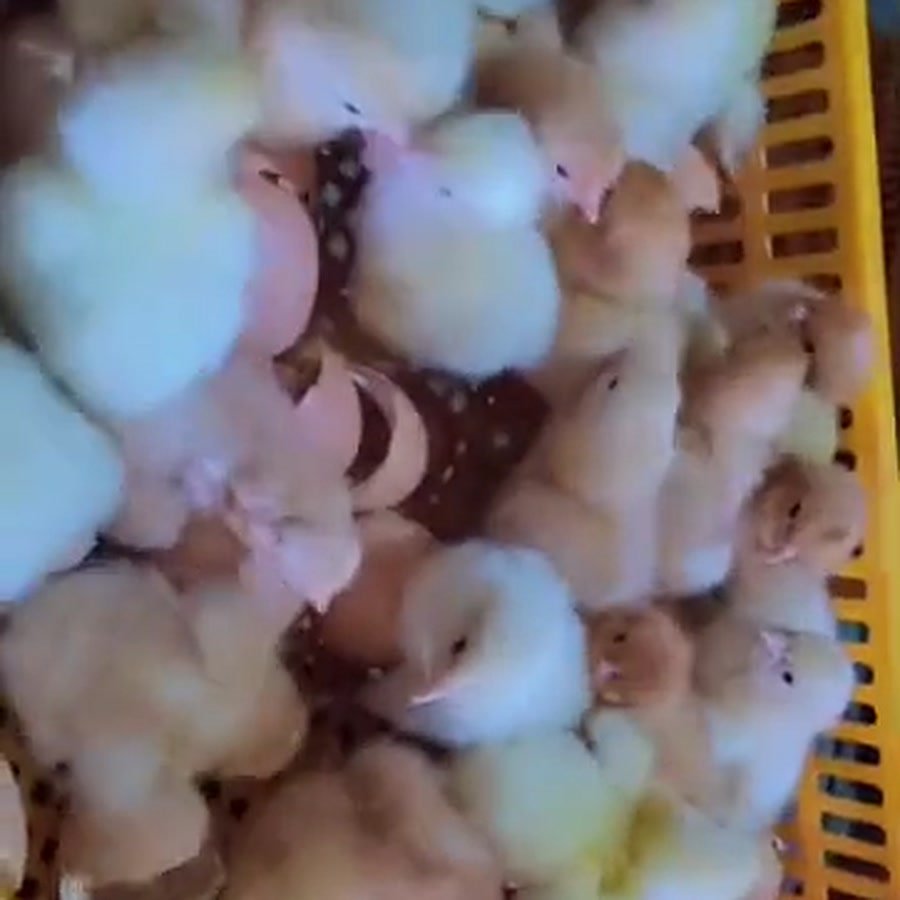
Video walk-throughs help a great deal. Diaspora partners can ask for a live walk-through of the house, and a useful one shows the birds moving, the drinkers and feeders, the litter and the ventilation. Ask the operator to point the camera where you ask, not where it is most comfortable. A live video only helps if you are free to direct it.
Make one more arrangement before placement: a named person at the farm who can be called on a working day, with a named fallback for the days that person is away. Reports go quiet for ordinary reasons, such as a phone out of credit or a supervisor on leave. A quiet week deserves a call. A quiet month deserves a formal written request for the missing report, with the date you expect to receive it.
Test the placement week before you choose it
Run the batch through the calculator on the partner page before you pick a placement week. Try a delayed placement, a higher mortality figure and a quieter sale price, and notice which input moves the result most. That tells you where to be strict. Open it at the batch calculator.
When a batch goes wrong
Every poultry operation has bad batches. A well-managed house should see mortality of 3 to 5 per cent. Poor management or disease can push it to 10 to 20 per cent, and at the top of that range the profit from the whole cycle can be gone. A bad batch is not automatically a dishonest one, but the way it is handled tells you what kind of partner you have.
A loss is not the same as a broken promise
Ask what the agreement says about losses before anything goes wrong. Any fair profit-share agreement explains how capital is handled if the batch does not pay. Be cautious of any operator who says a loss is impossible, and of any arrangement that promises a fixed return whatever the birds do.
After any bad batch, ask for a written account: the cause as far as it is known, what was done, what it cost and what will change next time. A good operator gives that account without being asked twice. Keep it with the rest of your records, because the next batch will be judged partly on how the last one was handled.
It also helps to agree in advance what a fair response to a bad batch looks like. Some partners ask for a review call with the operator within a set number of days. Others ask for the cause to be checked against the vet's notes. Neither request is unusual, and a good operator will already have a version of both.
Keep the investment in proportion
Do not commit more to the farm than you could leave there through a full cycle that goes badly. Start with one batch, read every report, and only then decide on a second. A house can run five or six batches a year, but you do not have to be in every one of them. A cautious start also gives you a clear view of the real numbers, which is the best protection a distant investor has.
Before a second batch, ask a plain question: did the first one teach you something specific about this farm? If it did, write it down and reflect it in the agreement. If the honest answer is that you have learned very little, that is a reason to stay with one batch a little longer.
On the cash side, the cash flow and break-even guide explains why a batch can be profitable and still feel tight in the middle weeks, when feed is being bought and no birds have been sold. Chick prices also shift over time, so check the current figures in our 2026 day-old chick price guide before you budget a placement.
Running a batch from abroad depends more on structure than on heroics. Set the dates, divide the work on paper, read the reports and ask the uncomfortable questions early. Messages can go to our partnership team on WhatsApp at +49 151 68495881, in English or German, or to support@agroprimeghana.com. Payments only ever go to the Agro Prime Ghana Limited company account, and the agreement should be signed before the chicks are placed.
To see how the model is put together from the farm's side, read how the hatchery partnership model is built.

