
Agro Prime Blog
Poultry & farming guides written for Ghana
Straight-talking advice from our hatchery team: prices, brooding, vaccines, feed and profit — everything a Ghanaian poultry farmer needs to succeed.
Straight-talking advice from our hatchery team: prices, brooding, vaccines, feed and profit — everything a Ghanaian poultry farmer needs to succeed.
 Invest in Ghana
You can be a serious poultry investor in Ghana without owning land, a house or a bag of feed. What matters is knowing which jobs you hand over and which you still judge.
Invest in GhanaA payout every month can look like proof. Here is how to tell whether the money comes from birds, or from the next investor's deposit.
 Invest in Ghana
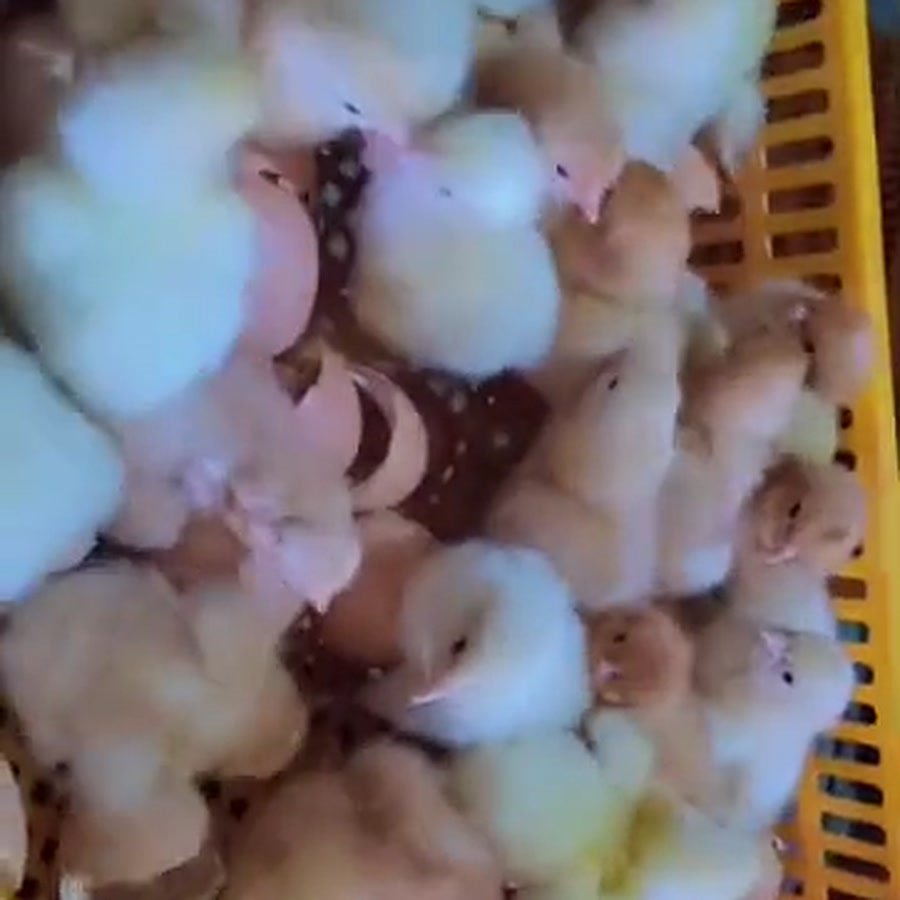
Most people comparing the two routes start with the chick price, the number that tells them least. Here is what each route actually asks of you, side by side.
 Invest in Ghana
Frozen imports are predictable and easy to stock. Local live birds win on freshness and festive timing. Here is where the gap is real and where it is not.
 Invest in Ghana
Poultry can pay in Ghana when the batch is run properly. Feed, losses and sale timing decide which way it goes, and the numbers show why.
 Invest in Ghana
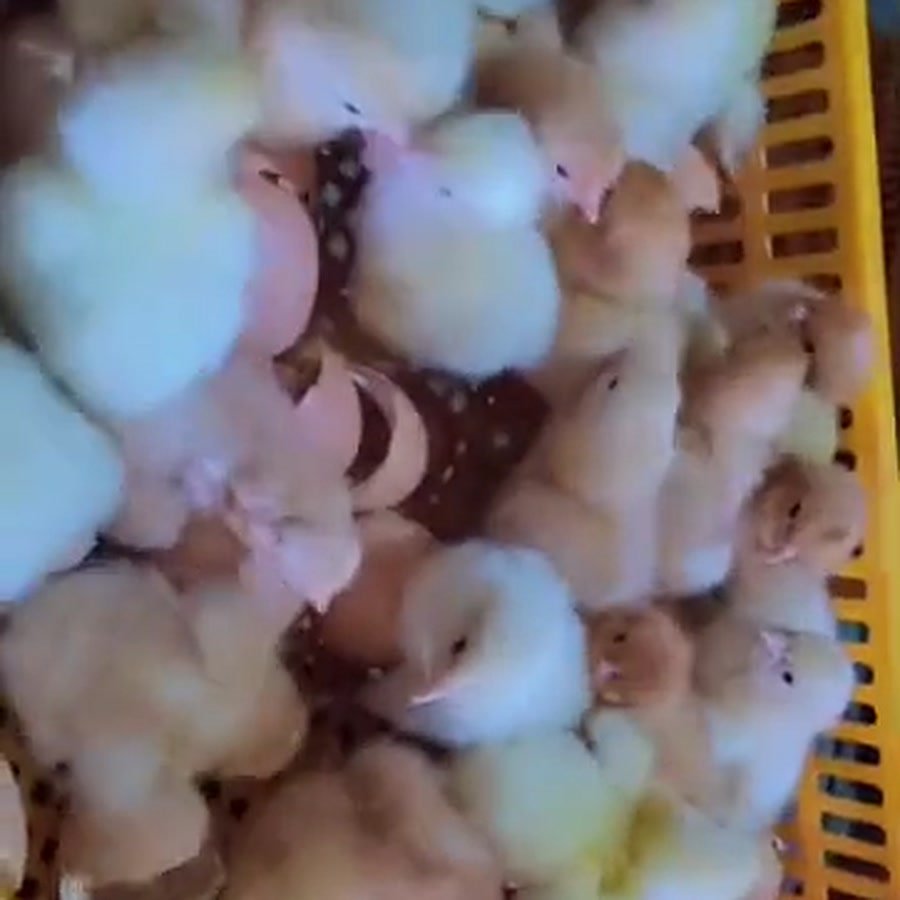
GH₵20 buys a day-old chick, not a poultry business. Here is the full cost of a 500 or 1,000-bird batch, with feed and the hidden lines included.
 Invest in Ghana
A 50 kg feed bag, a day-old chick and a festive price peak: the Ghana broiler chain stage by stage, with the cedi figures we can stand behind.
 Invest in Ghana
Food security sounds like a sure bet until you test it. Three checks, one worked house in cedis, and the limits of the theme that no pitch should hide.
Invest in GhanaBefore you send a cedi to a farm, company or trader, check these things in order. Most of them take one phone call, and each one leaves a paper trail.
Vaccinated day-old chicks, hatched in Kasoa and delivered anywhere in Ghana. Book a visit, or order on WhatsApp in under a minute.