
More than half of what a broiler batch costs goes into feed. Most people who look at the numbers for the first time do not expect that, and it changes how the whole decision should be read. A bird in a typical Ghana cycle eats around 4.2 kg of feed between the day it arrives and the day it leaves for market. Multiply that by the price of a bag and the feed bill becomes the biggest line on the sheet, bigger than the chick, the heat, the labour and the medicine put together.
Start with the chick, which is the smallest line
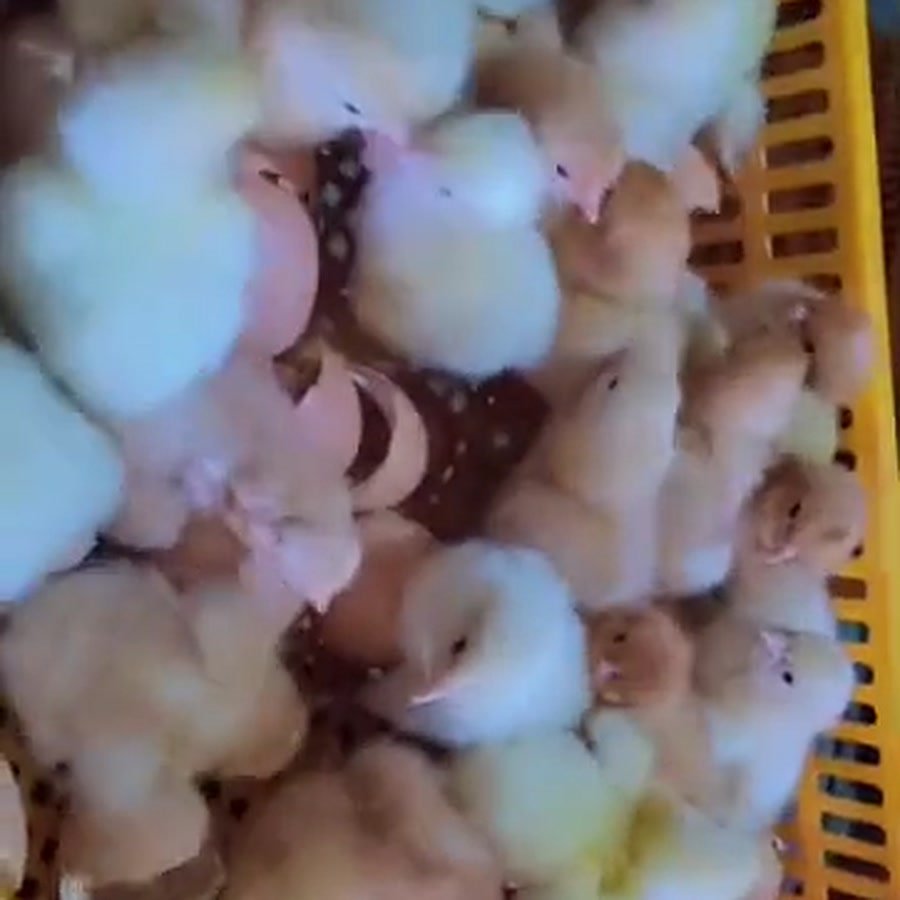
A day-old broiler from Agro Prime costs from GH₵20. The farm supplies Cobb 500 and Ross 308 chicks, and it is the one line you can fix on paper before anything else is bought. The hatchery runs every Thursday at 7:00 in Kasoa, and chicks are vaccinated against Marek's disease on day zero. Newcastle and Gumboro cover is added for some batches, depending on what that batch needs.
Still, a healthy start only sets up the batch. From that point the bird's growth depends on how it is fed and how the house is kept. Well-managed houses hold mortality to 3 to 5%, and most of what separates a good batch from a poor one happens in the weeks after placement, not in the hatchery.
Feed is the line that decides the batch
A 50 kg bag of broiler starter from GAPFA member suppliers sells for GH₵400 to GH₵410. The same kind of feed on the De Heus list price runs from GH₵451 to GH₵472. Those are two different buying routes for comparable bags, and the gap between them is worth knowing before anyone signs a contract.
Divide the bag price by 50 and the feed costs between GH₵8.00 and GH₵8.20 per kilogram on the member price, or between GH₵9.02 and GH₵9.44 on list. Multiply by the 4.2 kg each bird eats and you land at roughly GH₵34 to GH₵40 of feed per bird. These are our own illustrative divisions of published prices, not a quote for any single bag, and the bag you buy depends on the day and the supplier.
Feed also has a timing problem that a bag price hides. Birds have to reach 2.3 to 2.55 kg live, which takes six to seven weeks. Every extra week a slow batch stays in the house is another week of feed going in, while the price the bird fetches at the gate stays where it was. The feed bill is therefore driven by how quickly the birds grow as much as by what the bag costs.
Ghana's feed market also moves with its inputs. The grain and protein ingredients behind a starter ration can shift from one season to the next, and a shift that looks small on a single bag becomes large across 1,000 birds. That is why the feed plan belongs in the written agreement, not in a note tucked at the back of the file.
When the feed invoice arrives, read it the way you would read a bank statement. Check that the bag is 50 kg, that the feed is the stage you ordered, and that the price matches the agreed route, whether that is the member price or the list price. A starter ration and a grower ration are not interchangeable and are not priced the same. Keep every receipt with the batch record, because feed is the largest cost and the easiest place for a shortfall to hide.
What the cedis buy, bird by bird
The table puts the cost lines side by side for one bird, from chick to market. It uses the member feed price and the list price as the two ends of the range, so you can see how much the choice of supplier moves the total.
| Cost line, per bird | At member feed price | At De Heus list price |
|---|---|---|
| Day-old chick | GH₵20.00 | GH₵20.00 |
| Feed, 4.2 kg | GH₵33.60 to GH₵34.44 | GH₵37.88 to GH₵39.65 |
| Brooding, litter, vaccines, labour, utilities | about GH₵12.00 | about GH₵12.00 |
| Total to market | about GH₵66 | about GH₵70 to GH₵72 |
These totals are a rounded illustration built from our fact pack. They are not a statement of what any given batch will cost. Feed is more than half the total at both ends of the range, which is why the feed decision comes before almost every other decision in the batch.
Scale the table up and the picture becomes clearer. Across a 1,000-bird batch, the chick line alone comes to about GH₵20,000. The feed line runs from roughly GH₵34,000 to GH₵40,000, depending on the price paid. Add the running costs and you are close to the GH₵65,000 to GH₵80,000 of capital that a 1,000-bird batch needs from chick to market. The spread between the two ends of the feed range is the reason to ask which price your batch is planned on before any money leaves your account.
Run your own batch through the calculator
The partner page includes a batch calculator, so you can test the numbers before you commit a single cedi. Start with 1,000 birds, the size we recommend, then try a smaller run and see how the cost per bird changes. Open the batch calculator and set the figures against your own budget.
The GH₵12 that never makes the first spreadsheet
Brooding heat, litter, vaccines and vitamins, labour and utilities together come to about GH₵12 per bird. Each one is small on its own, which is exactly why they get left out of a first budget. A chick needs a warm house for its first weeks, and somebody has to check the lamps, the water and the drinkers every day, weekends included.
Litter is another cost that people underweight. It has to be kept dry and replaced when it wears, and the house has to be cleaned out between batches. Once clean-out and the rest period are counted, the time from placement to payout runs to about eight weeks. A house can run five or six batches a year on that rhythm, and an empty house still carries its fixed costs while it earns nothing.
Labour is the cost that is hardest to see on paper. A house left unattended for a day does not fail visibly, but it does lose birds slowly, and the person who spots the first sign of trouble is usually the one who is there every morning. Budgeting for that presence, rather than treating it as free, is what separates a plan that holds up from one that only looks good on a sheet.
The small leaks that add up
Some of the cost in a batch never reaches a receipt. Feed spilled from an open trough is still feed you paid for. Leaking drinkers keep the litter wet, and wet litter costs both health and time to fix. A vaccine given late, or one stored badly, does not show up as a line item until birds begin to fall behind.
None of these leaks is dramatic on its own. A batch runs for six or seven weeks, though, and a small daily loss repeated across 1,000 birds becomes a visible number well before sale. Operators who keep a simple daily record of feed, water, temperature and mortality tend to spot the trend early, because it appears in the notes before it appears in the bag count.
The weekly partner reports work on the same principle. A photo and a weight show whether the flock is on track, and the feed and mortality lines show whether the cost is moving the way you expected. A number that drifts slowly is far easier to deal with than one that jumps in a single week.
Mortality: the cost that never appears on a receipt
Mortality does not show up on any invoice, which is why it is so easy to underestimate. A well-managed house loses 3 to 5% of its birds. A house with poor management or disease can lose 10 to 20%, and at the top of that range the loss alone can erase the profit of the whole cycle.
Much of the mortality in a batch traces back to a few things a house can control. A vaccination programme kept on schedule, a steady brooding temperature in the first weeks, clean water and a litter bed that stays dry all matter. Disease is the cause that can move the numbers fast, which is why the vaccines given at the hatchery and on the farm carry so much weight. None of this removes the risk, but it is the difference between the 3 to 5% that well-managed houses hold to and the far higher losses seen in a house that is not run well.
Take a 1,000-bird batch. At 4% mortality you sell 960 birds. At 15% you sell 850. The 110 birds lost along the way have still eaten feed, used heat and taken labour time, so the cost of the batch does not fall with them. The same total cost is spread across fewer birds that must earn it back.
A bad cycle can undo a good one
In a normal cycle the typical net profit is GH₵12 to GH₵20 per bird sold. A run of losses or a disease outbreak can take most of that away. Anyone who promises a fixed monthly return or a batch that cannot lose money is describing something other than a farm. Ghana's Securities and Exchange Commission has warned the public about fixed-return schemes, and an honest operator will tell you the same thing.
What a sale actually brings in
In quiet months a live bird of 2.3 to 2.55 kg sells for roughly GH₵75 to GH₵80. At Christmas, Easter and Eid the same bird can sell for GH₵100 or more. Set that against a typical break-even of GH₵70 to GH₵81 per bird, and the gap decides whether a batch feels comfortable or thin.
Timing matters as much as the feed contract. Counting back from Christmas and a six to seven week cycle, chicks placed in the first half of November reach market in the weeks before the holiday. That is an illustrative count from the cycle length, not a promise. The calendar cannot guarantee a peak price, but it is the largest price lever in the cycle, and it is the one you can plan around.
Heavier birds, clean houses and steady feeding all work in a batch's favour. A late sale or a slow flock works against it. None of those factors replaces knowing the break-even figure before the chicks arrive.
Weight is worth tracking throughout, because it tells you whether the feed is working. A flock that is heavy for its age is converting feed well, and a flock that falls behind is costing you on every bird it still has to feed. Watching that trend week by week is a better guide than waiting for the final weigh-in to discover a problem.
How the money comes back to you
The order of payment is set out in advance. The partnership agreement is written and signed before the chicks are placed, so the feed plan, the reporting and the profit split are all known before any cedi goes into the batch. Capital is returned first, and the profit is divided as the agreement says. Payout goes to you by bank or MoMo a few days after the final sale.
Reporting follows a fixed rhythm too. Every Thursday, partners receive a photo of the flock, the weight, the feed used and the mortality for that week. Payments are only ever made to the Agro Prime Ghana Limited company account, and inputs such as feed, vaccines and equipment are sold through our store in Kasoa. Before you sign, read our guide on cash flow and break-even in poultry, which covers the same timing questions in more depth.
Before the next cedi leaves your account
Whatever you decide, keep your own record. Write down the chick price you paid, the bag prices on each invoice, the number of birds placed and the number sold. A personal record is cheap insurance, and it is the easiest way to check any report against numbers you can see yourself.
A broiler batch rewards the person who knows each line, not the one who trusts a headline return. Feed is the largest cost. Mortality is the risk no contract removes. The sale price moves with the calendar. Those three facts should be clear in your head before any agreement is signed, whether it is with us or with someone else.
If you want to see how a 1,000-bird batch looks with your own assumptions, the partner page is the place to start. Diaspora partners can also take a live video walk-through of the farm. Our team answers on WhatsApp in English or German at +49 151 68495881, or by email at support@agroprimeghana.com.
See the batch partnership terms
For a current view of what chicks cost, read our 2026 day-old chick price guide.

